The Thrill of Risk and Reward
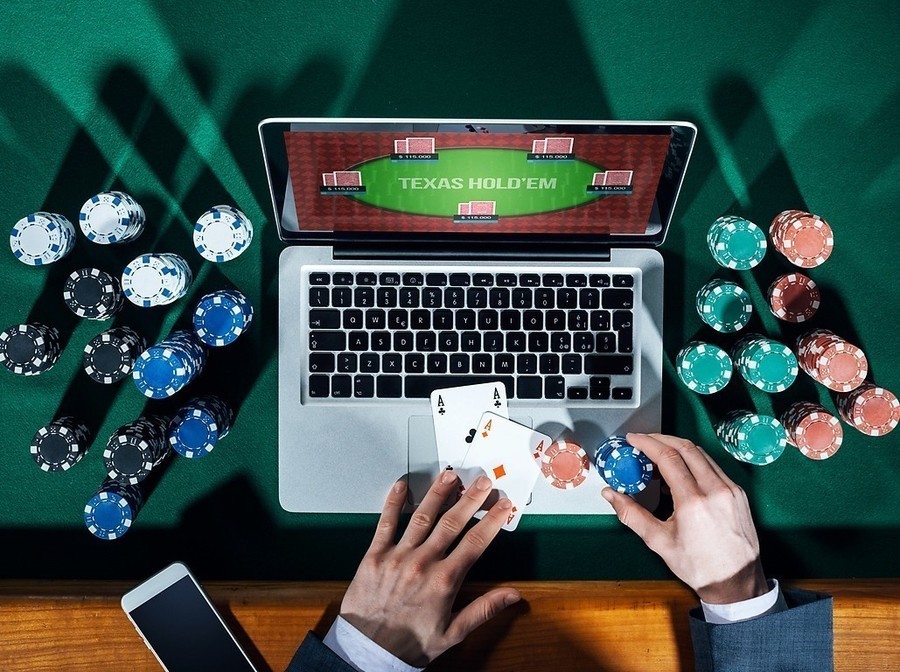
The psychology of gambling is deeply rooted in the thrill that comes from taking risks. Casino games offer a unique blend of excitement and unpredictability, which can stimulate the brain’s reward system. Engaging in online casinos provides players with an opportunity to experience this excitement from the comfort of their homes. This sense of urgency and anticipation is often heightened by the colorful lights and sounds found in gaming environments, drawing players into a euphoric state where the potential for winning becomes almost addictive.

This rush can create a powerful emotional experience, encouraging players to engage more frequently and for longer periods. As individuals experience wins, even small ones, their brain releases dopamine, reinforcing the behavior and creating a desire to replicate that success. It’s this cycle of risk and reward that enhances the overall gaming experience, leading many to believe they have a winning strategy.
Cognitive Biases and Gambling
Gamblers often fall victim to cognitive biases that distort their perception of chance and probability. One of the most common biases is the illusion of control, where players believe they can influence outcomes in games of chance through skill or strategy. This false sense of agency can lead to overconfidence and increased betting, potentially resulting in significant losses.
Another prevalent bias is the gambler’s fallacy, which is the belief that past events can influence future outcomes in random games. For instance, if a player sees a string of losses, they may feel that a win is ‘due’ soon, prompting them to gamble more heavily. Understanding these biases is crucial for players to make informed decisions and maintain a healthy approach to gambling.
The Role of Emotions in Gambling Decisions
Emotions play a critical role in how individuals approach casino games. The highs and lows of winning and losing can create a rollercoaster of feelings that influence betting behavior. Many gamblers chase their losses, spurred on by frustration or the hope of recouping what they’ve lost, which can lead to a downward spiral of increasing stakes and poor decision-making.
On the other hand, positive emotions stemming from wins can also cloud judgment. Players might become overly optimistic, believing that their luck will continue, leading to riskier bets. This emotional volatility highlights the need for players to remain aware of their feelings and the impact they can have on their gaming choices.
Strategies for Responsible Gambling
To navigate the psychological pitfalls associated with gambling, it’s essential for players to adopt responsible strategies. Setting clear limits before starting a gaming session can help manage finances and prevent impulsive decisions. Many successful gamblers emphasize the importance of self-awareness, acknowledging their emotional state and how it may affect their gambling behavior.
Utilizing techniques such as taking breaks and practicing mindfulness can also assist players in maintaining control over their gambling impulses. By focusing on enjoying the entertainment aspect rather than solely on winning, individuals can create a more balanced approach to gambling that enhances their overall experience without the risk of developing harmful habits.
Explore More on Our Website
Our website is dedicated to providing insights and resources for those interested in gambling. We aim to enhance your understanding of the psychological aspects that influence gaming behavior while helping you develop strategies for responsible play. Throughout our content, you will find valuable information designed to support a healthier approach to gambling.
By exploring the various sections of our site, you can access tools and tips that promote an enjoyable gaming experience without compromising your well-being. We believe that informed players can make better choices, reducing the risks associated with gambling while maximizing the fun it can provide.